
Preparing for possible singlehood
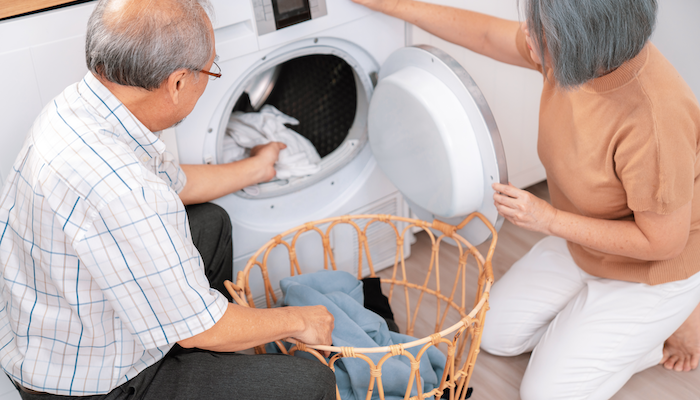
If you are presently partnered, chances are that household duties and responsibilities—everything from running the dishwasher to managing finances—are split between you. That means that you might not be prepared to seamlessly take over should your partner be rendered incapable by a debilitating accident or disease, or even death. In other words, sudden singlehood.
As a proactive planner, you try to anticipate the needs of your later years. But not everything is predictable. Of course, it's very difficult to contemplate losing someone you're so close to. As the adage goes, hope for the best and prepare for the worst. No matter how the years roll out, you'll feel more confident taking extra steps now so you're ready to approach things solo should the need arise.
Put the essentials in order. Gather and update key documents such as wills, powers of attorney, health directives, and beneficiary forms. (If you haven't yet created a trust, meet with an elderlaw attorney.) Create a simple "where things are" list with accounts, passwords, and professional contacts. Check that you are authorized to manage all accounts (utilities, insurance, etc.). Create a medical records file that includes, for both of you, medications taken regularly and health history or conditions that should be remembered.
Build skills and confidence. Big life changes feel less daunting if you've rehearsed. Swap chores with your partner for a month so each of you learns the other's routines. Think beyond the basics. For instance, you might need to learn about the alarm system, yard/irrigation maintenance, the particulars of pet care or car care, etc. If you share finances, practice paying bills together until you're both confident handling them alone. When something new arises—the refrigerator breaks, for instance—decide what you'd do and compare it with your partner's plan.
Practice going solo. Do some things on your own in safe settings (coffee shop, gym, matinee, etc.). Identify five to seven friends or professionals you could count on if life were suddenly upended. Nurture those relationships. Strengthen your independent identity by returning to a beloved hobby or activity that doesn't involve your partner, or expanding into something new.
If widowhood comes upon you. Give yourself permission to grieve, rest, and rebuild at your own pace. As research shows, the "widowhood effect" in early months puts you at risk of unhealthy self-neglect and isolation. Lean into friends, grief specialists, and other social supports as much as you need to.
Planning to downsize or make a senior move? We offer expert real estate and move management services and support to make the transition smooth and stress-free. Call 978.302.8191 for a free consultation.